
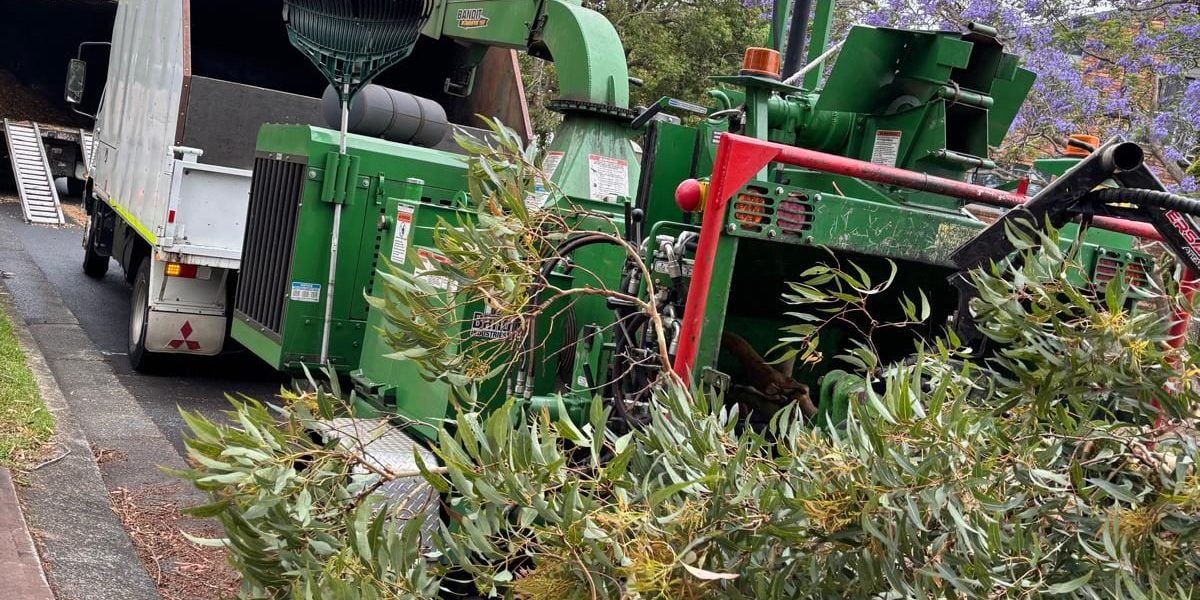
Practical tree pruning tips for healthy NSW gardens
Even a beautifully maintained garden can struggle if pruning is done poorly. In New South Wales, where the climate swings from humid coastal summers to frosty inland winters, getting tree pruning right is genuinely important. Prune at the wrong time, cut in the wrong place, or remove too much foliage, and you can set a healthy tree back by years. The good news? With the right knowledge and a bit of preparation, most homeowners can handle routine pruning confidently. This article walks you through when to prune, what tools to use, how to make the right cuts, and which mistakes to avoid.
Table of Contents
- Understanding when and why to prune your trees
- Essential tools and safety gear for DIY pruning
- Step-by-step pruning techniques for healthy trees
- Common mistakes and how to avoid them
- Why DIY pruning often falls short: a professional’s perspective
- Get expert help for your trees and garden
- Frequently asked questions
Key Takeaways
| Point | Details |
|---|---|
| Prune at the right time | Pruning in late winter or early spring reduces disease risk and encourages healthy growth. |
| Use proper tools | Sharp, clean tools and adequate safety gear make pruning more effective and safe. |
| Follow correct techniques | Proper cuts and methods support tree health and limit potential damage. |
| Avoid common mistakes | Dodging frequent errors like over-pruning helps trees recover faster and look better. |
| Know when to call a pro | For large trees or challenging jobs, a qualified arborist ensures your garden stays beautiful and safe. |
Get a free quote
Tell us what you need done and we will call you back to arrange a look. Every job is assessed individually - no two trees are the same.
Urgent or unsafe tree? Call 0422 023 242 - we answer 24 hours.
Understanding when and why to prune your trees
Now that you know why pruning matters, let’s clarify when and why you should get out the secateurs.
Timing is everything in tree care. Prune too early in the season and you expose fresh wounds to frost. Prune during peak summer heat and you stress an already-taxed tree. For most trees in NSW, the sweet spot is late winter to early spring, just before new growth begins. This is when trees are still dormant, energy reserves are intact, and the risk of fungal infection is lower. As the department’s guidance on pruning makes clear, pruning at the right time reduces disease risk significantly.
There are four main reasons to prune a tree:
- Safety: Remove dead, broken, or overhanging branches before they fall on people, vehicles, or structures.
- Health: Cut out diseased or pest-affected wood to stop the problem spreading through the tree.
- Aesthetics: Shape the canopy to suit your garden’s look and allow light into the spaces below.
- Fruit production: Thinning and heading cuts on fruit trees encourage better yields and easier harvesting.
Knowing why you’re pruning helps you decide how much to remove and which technique to use.
So how do you know when a tree actually needs attention? Look for these signs:
- Branches crossing or rubbing against each other
- Dead wood or sections with no leaf growth
- Branches growing too close to power lines or your roofline
- A dense, congested canopy that blocks airflow
- Visible signs of disease, such as discolouration, cankers, or fungal growth
NSW’s climate also adds a local layer of complexity. Coastal areas deal with salt-laden winds that can damage exposed cuts, while inland gardens face harsher temperature swings. Our NSW arborist guide covers region-specific advice worth reading before you start.
?The best pruning is the pruning you plan, not the pruning you rush.? Knowing your tree species and local conditions before picking up a tool is half the job done.
Pro Tip: Always check with your local council before pruning large or established trees. Some species in NSW are protected under the Biodiversity Conservation Act 2016, and removing or heavily pruning them without approval can result in serious fines.
Essential tools and safety gear for DIY pruning
With the right timing in mind, you also need the right gear before making your first cut.
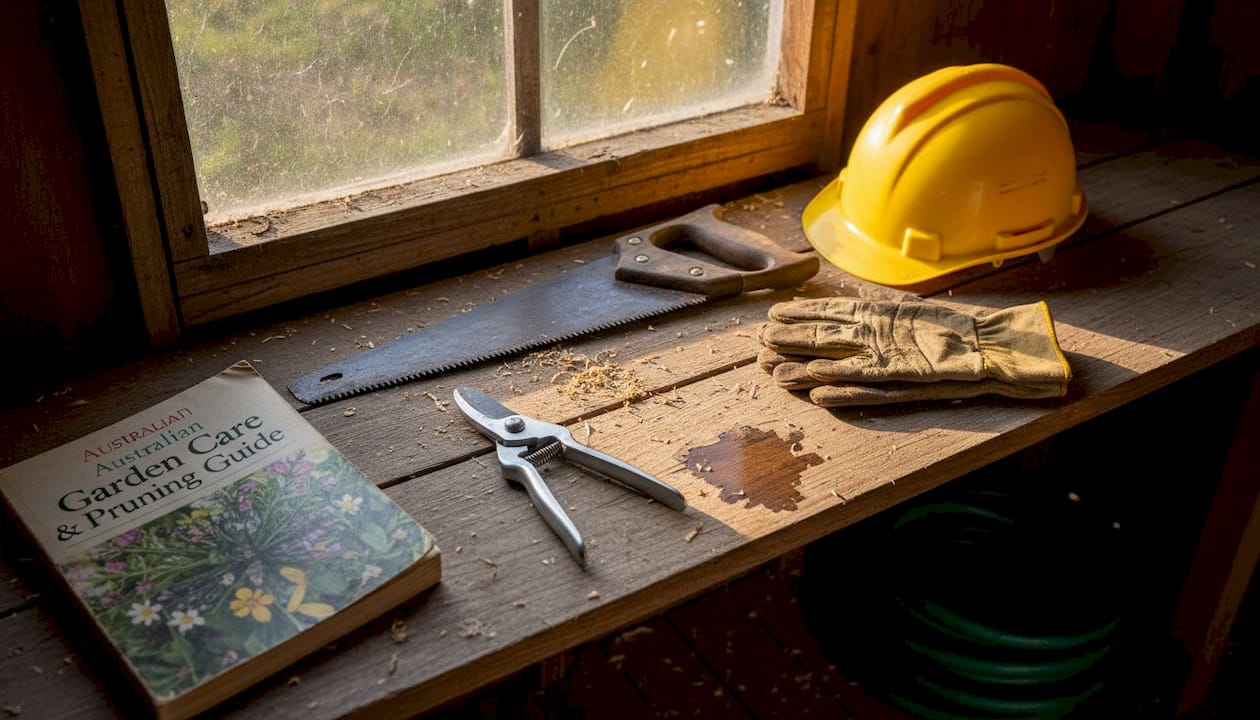
Using quality, well-maintained tools makes pruning faster, cleaner, and safer for both you and your trees. As SafeWork NSW recommendations confirm, using the right tools minimises tree damage and enhances personal safety.
Here’s a quick reference for the tools every NSW homeowner should have on hand:
| Tool | Best used for | Maintenance tip |
|---|---|---|
| Hand secateurs | Stems up to 15mm | Clean blades after each use |
| Loppers | Branches up to 40mm | Sharpen regularly |
| Pruning saw | Branches over 40mm | Wipe with oil after use |
| Pole pruner | High branches (from ground) | Check joints before each use |
| Chainsaw | Large limbs (professionals only) | Requires training and PPE |
Keeping tools sharp is not just about convenience. Blunt blades crush and tear plant tissue rather than cutting cleanly, which creates larger wounds and invites infection. A quick sharpen before each session takes two minutes and makes a real difference.
Personal protective equipment (PPE) is non-negotiable. Before you start, make sure you have:
- Safety glasses or goggles to protect against flying debris
- Heavy-duty gloves for grip and cut protection
- Sturdy closed-toe boots, ideally steel-capped
- A hard hat if working near overhead branches
- Hearing protection if using power tools
Pro Tip: Sterilise your cutting tools with a diluted bleach solution (one part bleach to nine parts water) between trees. This simple step stops you accidentally spreading fungal diseases or bacteria from one tree to the next.
For any pruning that involves climbing, working near power lines, or removing branches thicker than your forearm, please call in qualified arborist advice. The risk of serious injury from DIY work at height is real, and it’s simply not worth it.
Step-by-step pruning techniques for healthy trees
Once you’re ready and safe, let’s walk through exactly how to prune for best results.
A good pruning session follows four clear stages: assess, cut, clean, and aftercare.
- Assess the tree first. Walk around it. Identify which branches are dead, diseased, crossing, or simply out of place. Decide on your goal before you cut anything.
- Start with the dead and damaged wood. Remove these first, as they’re the clearest candidates and help you see the tree’s natural structure more easily.
- Make your cuts at the right location. Always cut just outside the branch collar (the slightly raised ring of bark where the branch meets the trunk). Never cut flush with the trunk.
- Step back regularly. After every few cuts, take a few steps back and look at the overall shape. It’s easy to over-prune when you’re focused on one section.
- Clean up thoroughly. Remove all cuttings from around the base of the tree. Diseased material should go into the bin, not the compost.
- Aftercare. Water the tree well after a heavy pruning session, especially during dry periods.
Understanding the three main types of pruning cuts helps you choose the right approach:
| Cut type | What it does | Best used for |
|---|---|---|
| Heading cut | Removes the tip of a branch, stimulates bushy regrowth | Shaping shrubs and hedges |
| Thinning cut | Removes a branch at its point of origin | Improving airflow and light |
| Reduction cut | Shortens a branch back to a lateral branch | Reducing height or spread |
As the Australian Arbor Age guide explains, incorrect pruning can weaken a tree and increase pest susceptibility. Heading cuts, for example, are often overused by homeowners because they produce quick visible results, but they can create dense, weak regrowth that’s more vulnerable to wind damage.
For complex jobs or mature trees, consider finding a skilled arborist who can assess the full picture and recommend the right approach.
Common mistakes and how to avoid them
Of course, even with the best advice, a few errors can set your garden back. Here’s how to stay on track.
The most common pruning mistakes we see as arborists are surprisingly consistent. They include:
- Over-pruning (topping): Removing too much of the canopy at once stresses the tree, triggers weak water-shoot regrowth, and can ultimately kill it.
- Lion-tailing: Stripping all the foliage from the interior of a branch, leaving a tuft at the end. This destabilises the branch and increases wind-throw risk.
- Flush cuts: Cutting a branch flush with the trunk removes the branch collar, which is the tree’s natural healing zone. Wounds take far longer to close and are prone to rot.
- Pruning at the wrong time: Cutting during hot, dry periods or just before frost stresses the tree and opens wounds at the worst possible moment.
- Using dirty or blunt tools: This spreads disease and causes ragged cuts that are slow to heal.
As ABC’s pruning mistakes factsheet highlights, over-pruning and poor cut placement can lead to costly damage that takes years to correct.
?A tree can recover from a thoughtful cut. It struggles to recover from a thoughtless one.? The most expensive tree work we do is often fixing what went wrong in a DIY session years earlier.
If you’re unsure about a tree’s condition after pruning, or if you notice unusual dieback, weeping sap, or fungal growth in the weeks that follow, it’s worth having a professional review the situation. Our professional pruning services are available across Sydney and surrounds for exactly these situations.
Why DIY pruning often falls short: a professional’s perspective
We’ve seen thousands of trees across Sydney and NSW, and here’s something most pruning articles won’t tell you: the damage from DIY pruning is rarely obvious straight away.
A homeowner makes a few flush cuts, removes a bit too much from one side, and the tree looks fine for a season or two. Then, three years later, the wound hasn’t closed, rot has set into the heartwood, and what started as a cosmetic trim has become a structural problem. This is the compounding nature of pruning errors. Small mistakes layer on top of each other until the tree is genuinely compromised.
We also regularly see the aftermath of lion-tailing, where someone has stripped the inner canopy to ?open the tree up.? The result is long, heavy branches with all their weight at the tips, swaying dangerously in Sydney’s summer storms.
The difference a professional assessment makes isn’t just about technique. It’s about reading the whole tree: its species, age, root zone, past pruning history, and how it interacts with your specific site. Our Sydney arborist expertise means we can spot issues that aren’t visible to the untrained eye and give you a clear, honest plan. Sometimes that means a small, targeted prune. Sometimes it means leaving the tree alone entirely.
Get expert help for your trees and garden
Ready for healthier, safer trees? Here’s how to make the most of professional support.
Knowing when to call in the experts is just as important as knowing how to prune. For large trees, work near power lines, or anything that requires climbing, professional help isn’t just convenient. It’s the safe and smart choice.
At True Roots, our trusted Sydney arborists bring genuine passion and real expertise to every job. We’re qualified and insured arborists who treat your trees with the same care we’d give our own. Whether you need a routine prune, a full tree assessment, or something more involved, our comprehensive tree care services cover it all. Get in touch with us today for an obligation-free quote and let’s keep your garden looking its best.
Frequently asked questions
What is the best month to prune trees in NSW?
The best pruning window for most trees in NSW is late winter to early spring, typically July to September, before new growth begins. Avoiding extreme heat or cold helps wounds heal faster.
Is it illegal to prune protected trees in New South Wales?
Yes. Pruning without council approval on protected or heritage-listed trees is illegal in NSW and can attract significant fines. Always check with your local council first.
How much of a tree can you prune at once?
As a general rule, never remove more than 25% of a tree’s foliage in a single season. Removing more than this causes stress and can trigger weak, problematic regrowth.
Will pruning help a sick or damaged tree recover?
Strategic pruning can assist many trees in recovering from disease or damage, but as the Australian Arbor Age guide notes, major tree issues always warrant a professional arborist’s assessment before any cutting begins.
Recommended
Article generated by BabyLoveGrowth
Related True Roots services
Need the real thing done? True Roots are AQF Level 5 arborists and landscapers, fully insured ($20M public liability) and rated 5.0 across the St George area, the Sutherland Shire and Canterbury-Bankstown. Explore tree removal, tree pruning, stump grinding, arborist reports, 24/7 emergency tree work and landscape construction — or get a free quote today on 0422 023 242.
